Horse Rugs Made Simple: What Rug Should I Put On My Horse
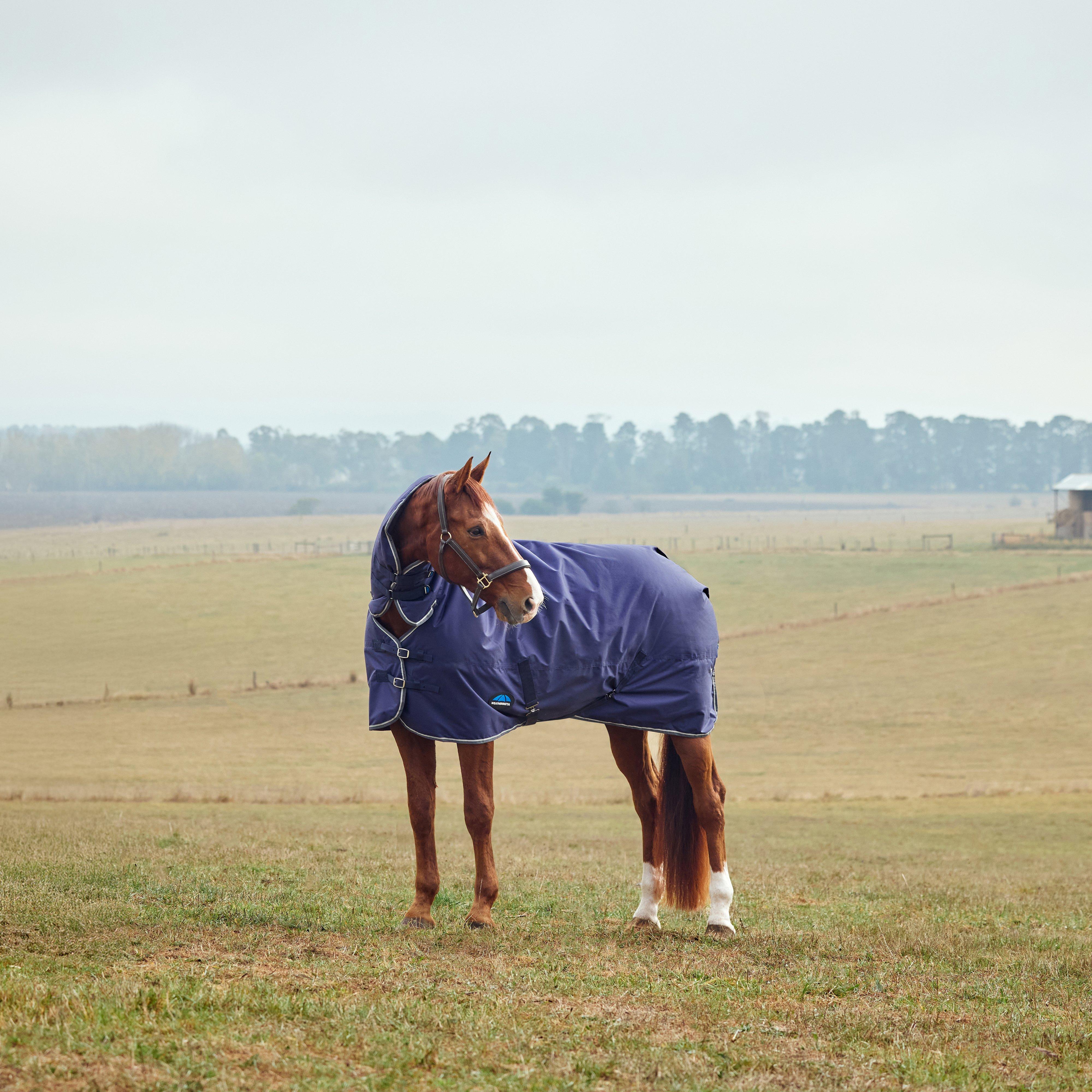
Choosing the right horse rug for your horse is one of the most common – and confusing – decisions horse owners face. From unpredictable British weather to differences in breed, clipping, age, and living arrangements, rugging is never one‑size‑fits‑all.
This expert guide from Naylors brings together trusted industry principles and practical yard‑level advice to help you confidently decide if your horse needs a rug, which type to choose, and how to adjust rugging safely throughout the year. Whether you are caring for a hardy native pony or a fully clipped competition horse, this guide is designed to support better, smarter rugging decisions.

Do All Horses Need Rugs?
No, not all horses need a horse rug.
Horses are naturally equipped to regulate their own body temperature, particularly unclipped, healthy horses with access to shelter and forage. However, rugging becomes essential when a horse’s natural protection is compromised, or environmental conditions outweigh their ability to stay warm and dry.
Horses more likely to need rugs:
-
Fully or partially clipped horses
-
Older horses or those struggling to hold condition
-
Fine‑coated breeds (Thoroughbreds, warmbloods, Arabs)
-
Horses living out with little natural shelter
-
Horses in regular work during colder months
Horses that may need minimal or no rugging:
-
Native breeds and good‑doers
-
Unclipped horses with access to shelter
-
Horses producing a full winter coat
Understanding Horse Rug Types
Before looking at temperature, it’s important to understand rug purpose.
-
Designed for outdoor use
-
Waterproof and breathable
-
Available in a range of weights (0g to heavyweight)
-
Indoor use only
-
Provide warmth but are not waterproof
-
Less technical than turnout rugs
-
Lighter than turnout rugs for the same temperature
Liners & Layers
-
Used to adjust warmth without changing the main rug
-
Ideal for fluctuating temperatures
-
Reduce the need for multiple full rugs
-
Lightweight protection against insects and sun
-
Do not provide warmth
Horse Rug Weights Explained
Rug “weight” refers to the insulated fill, measured in grams.
|
Rug Weight |
Fill (grams) |
Best For / Use Case |
|
No Fill |
0g |
Turnout rugs for waterproof protection only |
|
Lightweight |
50–100g |
Mild chill, spring or autumn conditions |
|
Mediumweight |
150–250g |
Colder weather or clipped horses |
|
Heavyweight |
300g+ |
Winter conditions, elderly or fully clipped horses |
Naylors stocks a wide range of rug weights, allowing owners to adapt easily throughout the season.
Key Factors That Change Rugging Decisions
Temperature alone should never be the only deciding factor.
Always consider:
-
Is your horse clipped or unclipped?
-
Are they stabled or turned out?
-
Is the weather wet, windy, or dry?
-
Does your horse run hot or cold?
-
Can they access shelter and forage?
Wind chill and rain can dramatically increase heat loss, even in milder temperatures.
How to Tell If Your Horse Is Too Hot or Too Cold
|
Condition |
Signs to Look For |
What to Do |
|
The horse may be too cold |
Shivering |
Add a warmer or heavier rug |
|
The horse may be too warm |
Sweating under the rug |
Remove or downgrade to a lighter rug |
Common Rugging Mistakes to Avoid
-
Over‑rugging
-
Leaving stable rugs on outdoors
-
Not adjusting rugs during temperature swings
-
Using the wrong size (leading to rubs or sores)
-
Never removing the rug to check skin and condition
Correct fit and daily checks are just as important as choosing the right weight.

Frequently Asked Questions (FAQ)
What rug should I put on my horse today?
Check temperature, wind, rain, clipping status, and your horse’s body condition. If dry and mild, many horses may not need a rug at all.
Can my horse wear the same rug day and night?
Sometimes, but many owners change between stable and turnout rugs or adjust layers overnight.
Is it better to slightly under‑rug or over‑rug?
Under‑rugging is usually safer. Horses can generate heat naturally but struggle to cool down if overheated.
Do clipped horses always need rugs?
Generally, yes. Clipping removes natural insulation. The more coat removed, the more protection is required.
Should I rug my horse in spring?
Often only lightly, using rain sheets or no‑fill turnout rugs during wet weather.
How often should I check my horse under the rug?
Ideally once daily. Rugs should always be removed regularly to check skin, weight, and comfort.
Can rugging help horses maintain weight?
Yes, correct rugging can reduce calorie usage in cold conditions, particularly for poor‑doers.
Are liners better than buying multiple rugs?
For many owners, yes. Liners offer flexibility and reduce storage needs.
When should I stop rugging altogether?
As temperatures stabilise and coats shed, gradually reduce rug weight rather than stopping suddenly.
What makes a quality rug?
Durable materials, correct fit, breathable waterproofing, secure fastenings, and ethical manufacturing. All hallmarks of Naylors‑approved ranges.
Final Thoughts: Rug for the Horse You Have
The best rugging decisions are made by observing your individual horse, not by blindly following charts. Use temperature guides as a starting point, but let behaviour, body condition, and comfort lead the way.
With Naylors extensive range of horse rugs, liners, and accessories, you can build a flexible rugging system that works in every season - and adapts as your horse’s needs change.