BETA Summer of Safety: What Safety Gear Do You Need For Horse Riding This Summer?
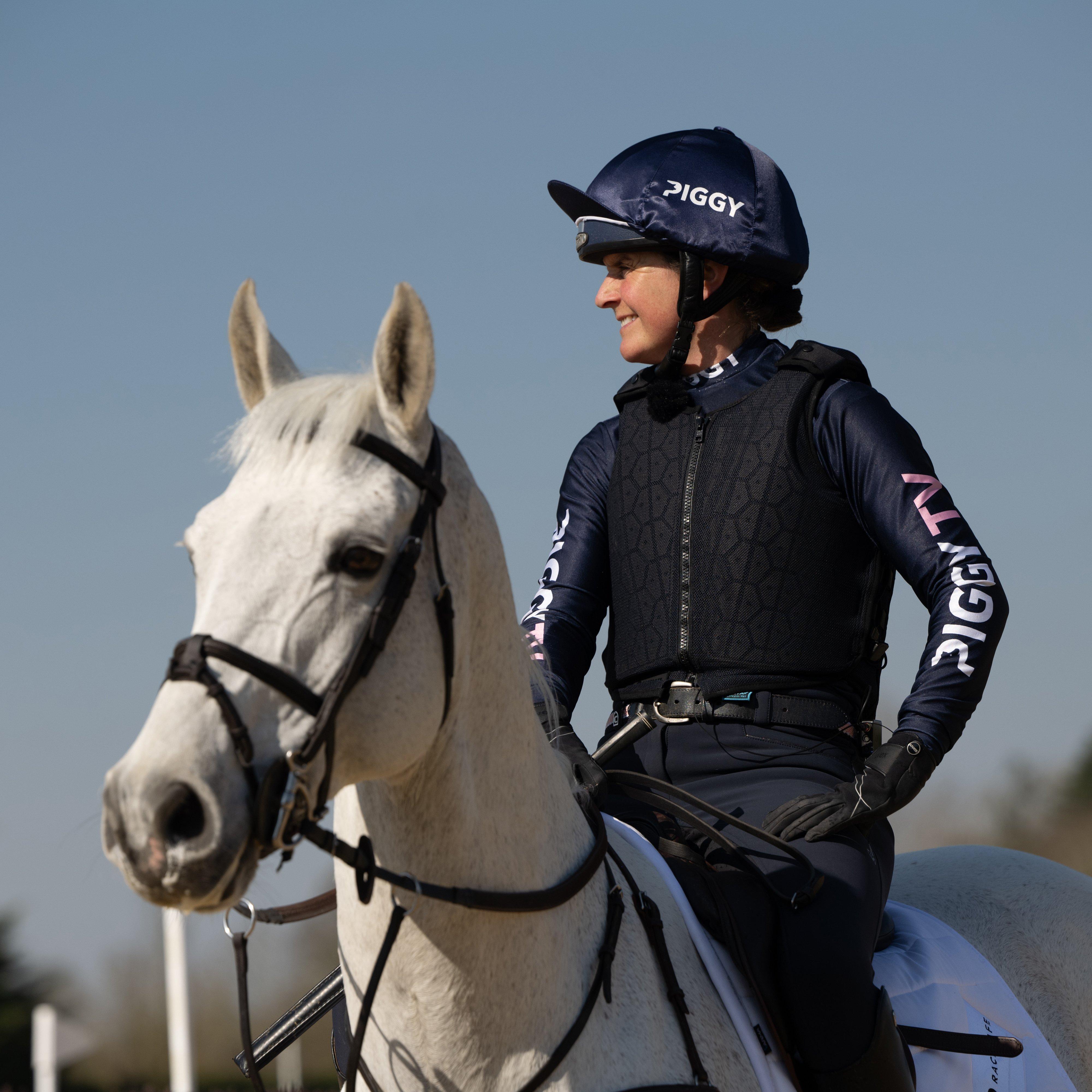
As summer starts to kick in, there’s no better time to get out and enjoy a ride. However, warmer weather doesn’t mean safer conditions; in fact, many riders will subconsciously ease off key safety measures, as the risks aren’t as obvious on the surface.
With the BETA Summer of Safety kicking off in June, Naylors is here to help you stay protected in the saddle. This guide will explore how riding conditions change during the summer, the essential safety kit all riders should wear, and gear riders should be looking to add to their kit list at this time of year. We’ll also highlight common mistakes riders make, along with sound, practical advice for both you and your horse.
What is the BETA Summer of Safety?
The BETA (British Equestrian Trade Association) Summer of Safety is a campaign that helps educate people to stay safe in their equestrian pursuits and protect themselves, others and their horses.
Now in the fourth year, the campaign covers a wide range of safety aspects, from yard safety tips and biosecurity to feed room safety and essential safety equipment such as riding hats and body protectors. Naylors proudly supports the initiative as a BETA retail member.
What changes during summer riding conditions?
Summer riding doesn’t eliminate risk; it simply changes it. Many of the risks associated with summer riding are cumulative, with seemingly small factors adding up quickly if not recognised. Understanding these changes is important in deciding how to make better decisions.
Warmer weather and longer riding
As the weather gets warmer and the days grow longer, riders often spend longer in the saddle. This can lead to higher sun exposure, resulting in effects such as dehydration, fatigue and reduced concentration. Built-up fatigue contributes to slower reaction times and worse decision-making. This is an example of cumulative risk; effects can add up quickly if precautions aren’t taken.
Drier, harder surfaces
Longer, drier spells can cause the ground to firm up, leading to harder, more concussive falls compared to softer surfaces often found in winter or wetter spring conditions. Good ground can also encourage higher speeds, increase momentum and make falls more serious.
Increased flies and insects
 The summer brings in more flies and insects that irritate and distract horses. Behaviours such as head tossing, spooking, or tension can be more common in warmer conditions. While riders often relax more in summer, the horse often feels more irritated as they react to environmental stressors.
Busier riding conditions
With more people getting into and enjoying the outdoors, riding environments can be noticeably busier. Walkers, cyclists, and dog walkers are more common, and rural roads are much more congested with traffic as people look to get out into the country. This makes awareness and visibility especially important, even in daylight conditions.
Changes to routine
Riders can often become complacent with safety gear in summer conditions. It may be more common for a rider to remove layers or protective gear as ‘it’s too hot’, for example.
By identifying the risks that come with summer conditions, riders can make more informed decisions about riding behaviour and equipment choices.
The essential safety gear
 This is essential kit that should be worn by riders year-round. We also highlight considerations for a more comfortable summer riding experience.
Riding helmets
The most crucial piece of safety gear for all riders, regardless of experience levels or conditions.
A helmet should meet the current, recognised safety standards, such as PAS or VG1, to protect your head in falls. The ground is much firmer in drier conditions, so a fall is likely to be heavier and more severe. Older helmets may not provide the same level of protection, even if visually they appear sound.
You can make heat and ventilation considerations to accommodate summer conditions; this should never come as a compromise to fit or protection. Many newer, modern helmets have been designed with improved ventilation whilst retaining strong safety standards. Fatigue can be reduced by having a helmet with good ventilation, allowing you to keep concentration and make strong decisions.
Knowing when to replace your helmet is an important part of long-term riding safety. After any significant impact, it should be replaced as it can compromise the structure of the helmet, even if there’s little visible damage. General wear or exposure to UV also contributes to reducing the effectiveness of a helmet over a period.
Body protectors
Crucial for reducing the impact of falls to the torso and vital organs, the body protector is non-negotiable. There may be a temptation in warmer conditions to remove a protector, but it’s as essential as the helmet. During drier periods, while the ground is firm, it could be the difference between a minor or severe injury during a fall.
There are different types of protectors available, either traditional or air-based systems, typically chosen based on preference or discipline. Both are designed to absorb and distribute impact forces during a fall.
Footwear
Vital for retaining stability, control and safety in the saddle. Summer conditions can lead to dustier ground or stirrup surfaces. A well-fitting pair of boots helps you to keep consistent contact and control, even in changing conditions. Riding footwear provides support around the ankle to reduce the likelihood of the foot slipping, more important for longer rides, which may be more common during summer.
Summer safety gear
Whilst the core safety gear should remain consistent and be worn year-round, as we have seen, summer conditions provide different risk factors. Therefore, we’ve highlighted key safety additions that are particularly relevant to summer conditions to keep them comfortable, visible and focused when conditions change.
Hi-visibility gear
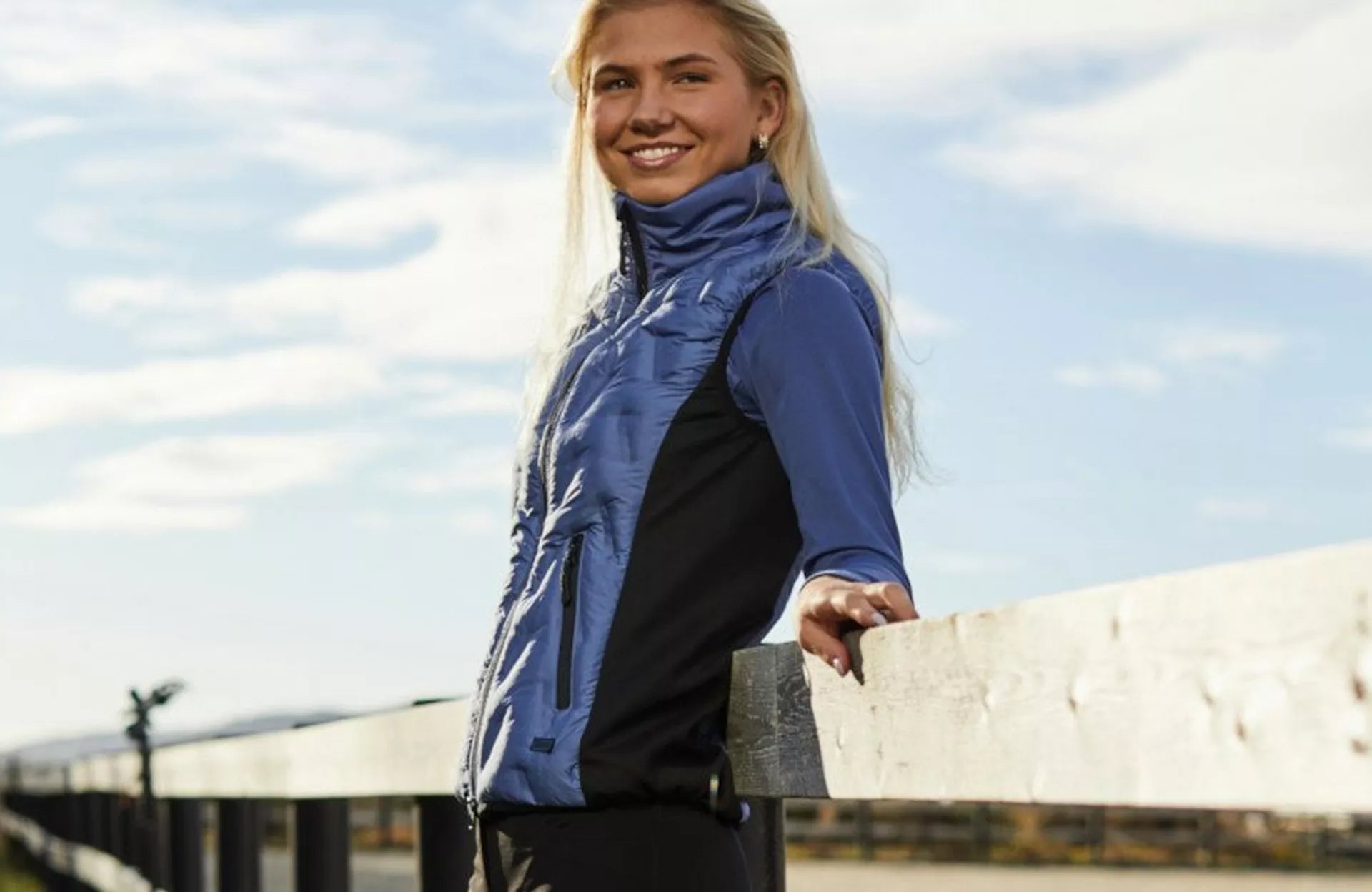
When you think about hi-visibility gear, you often think of winter conditions, but it can play just as big a role in warmer months, too.
Daylight doesn’t necessarily equal visibility. Bright sunshine can create glare, while factors such as tree cover can contrast sharply with the light to reduce how visible a rider is to others. As riding environments become busier during summer months, hi-visibility gear helps you to stay clearly visible to walkers, cyclists and rural road traffic.
Sun protection and hydration
Perhaps the most overlooked aspect of rider safety during warmer months. Exposed areas such as the neck, arms, and face have a high risk of sunburn without necessary precautions. Fatigue accumulation can significantly impact concentration and decision-making, meaning that having enough hydration before, during and after riding is paramount. Proactive action is a necessity for all summer riding.
Lightweight gloves
Despite sounding counterintuitive for warm weather, a pair of lightweight gloves is important to retain control over the reins during longer rides. It allows for consistent contact and reduces the likelihood of slipping. There are plenty of summer-suited lightweight gloves available that provide the appropriate level of comfort without compromising on control and safety.
Cooling kit
A critical aspect of warm weather riding, regulating the body's heat effectively, is crucial to maintain comfort and focus. Neck coolers or breathable layers can help regulate the body during and after riding to reduce the onset of fatigue and dizziness.
With summer encouraging longer riding sessions, cooling strategies are important for sustained safety.
Safety beyond the rider
While rider-focused safety is important, looking beyond into the potential impact of summer conditions on your horse and equipment is equally important. Small, proactive, precautionary checks can go a long way in ensuring protection for your horse and equipment.
Tack checks
Higher temperatures can have an impact on the durability of your tack, particularly leather, through a lack of moisture that can cause it to dry out, increasing the risk of cracking over a sustained period. Compromised gear is more likely to fail under pressure, reducing control or increasing the likelihood of an accident. You can prevent this with a couple of easy measures, such as regularly checking the stitching, straps and key pressure points to ensure your tack stays safe and fit for purpose.
Visibility for the horse
 Making sure that your horse can be seen is just as important as it is for the rider to be seen. Hi-visibility equipment can promote a larger, more noticeable profile for your horse on busy roads or shared paths. It gives a chance for the busier road and motor traffic to spot you and your horse and react accordingly in plenty of time.
Hydration and recovery
Ensure that your horse is well hydrated before and after riding activity, to support recovery and reduce the risk of heat-related stress. Long riding in the heat can put a large amount of physical exertion on your horse. Manage the length of your rides during particularly hot conditions.
Common summer rider mistakes
|
Common Mistake |
The risk it poses |
|
Riding or removing body protectors because of hot weather |
Summer conditions produce drier, harder surfaces that increase the impacts of falls. This makes body protection crucial to absorb the brunt of the impact. |
|
Not wearing hi-vis gear in daylight |
Glare, shadows, and busier roads can reduce visibility even in daylight, making it harder for others to see you. |
|
Not adjusting ride times (e.g. riding in midday heat) |
Higher temperatures increase the risk of fatigue, dehydration, and reduced concentration for both rider and horse |
|
Wearing a worn-out or outdated helmet |
Older helmets may not meet current safety standards or offer reliable protection in the event of a fall |
Below, we've put together a summer riding safety checklist, so you have no excuses for not staying safe -
Summer riding safety checklist
Riding helmet meets current safety standards⬜
Helmet correctly fitted and in good condition⬜
Body protection worn (body protector or air system)⬜
Appropriate riding footwear with secure grip⬜
Hi‑vis gear included (especially for hacking)⬜
SPF applied to exposed skin⬜
Water packed for rider⬜
Horse hydrated before and after riding⬜
Tack checked for wear or heat-related damage⬜
So, while the weather might be lovely, it’s important to ensure that you take all the necessary precautions to keep you, others and your horses safe. If you take the relatively easy proactive steps, plan accordingly and double-check that you’re wearing the right kit for the conditions, then you’ll be able to enjoy the joys of that warmer weather riding can provide.